
I first walked through the doors of Sydney’s Divine Playhouse as a teenager in the 1960s, when it was the home of the Genesian Theatre. Like thousands of Sydneysiders, I went there to enjoy live theatre.
Back then, homosexuality was a criminal offence in the state of New South Wales. Gay men lived in the shadows, risked arrest, public humiliation, losing jobs, families and, for many, losing their faith. Most simply tried to survive by keeping their heads down.
As a teenager, fearful of what I was discovering about myself, I could never have imagined I’d one day be writing these words. I also never imagined that, after everything our community has endured over the past six decades, we’d still be defending our right to have a venue, gather together, and allow members of our community to use their creative talents. Even if it’s not everyone’s cup of tea or gin and tonic.
In early July, organised by the Catholic men’s groups Fit for the Kingdom and “Christian brotherhood” the Prodigal Sons, a disputed number of anywhere from 70 to 200 Catholics gathered outside that same building to protest its opening as an LGBTQ+ venue.
Freedom of speech and the right to peaceful protest are fundamental to a democratic society. I will defend those freedoms every bit as strongly as I defend the Divine Playhouse’s right to stage performances and everyone else’s right to decide whether or not to attend.
But protesting like this is misplaced religious zeal. More than that, I think it is a profoundly poor use of their time.
According to The Guardian, the next day the landlords sent a notice of breach to the venue’s organiser, Kat Dopper of Heaps Gay Events, claiming it “insulted and mocked the sincerely held religious beliefs of millions of Christian Australians” and giving it two days to cease operation.
Sydney has been here before
When Hair opened in Sydney in 1969, many Christians were outraged. They condemned its nudity, anti-war message, drug references, and challenge to traditional morality. Yet the production wasn’t shut down. In fact, it broke Sydney box-office records, ran for two years, toured nationally and became one of the most successful musicals ever staged in Australia.
Three years later, Jesus Christ Superstar provoked another wave of Christian protest. Demonstrators gathered outside Sydney’s Capitol Theatre carrying placards proclaiming, “Jesus Christ is our Saviour, not a Superstar.” Some cast members were abused, coins were thrown, there were bomb threats, yet the show ran for more than 700 performances and became one of the most successful musicals ever staged here.
The protesters are largely forgotten. The productions they opposed became theatre history.
If an Instagram account offends you, unfollow it. If a television program offends you, change the channel. If a theatre production offends you, don’t buy a ticket. Nobody was forced to attend Divine Playhouse.
As a gay man, I make no apology for supporting Kat and her team at the Divine Playhouse and the right of LGBTQ+ people to have spaces where we can gather, create, and perform.
The issue is whether one group should be able to pressure another into silence simply because they are offended.
Misplaced religious zeal
What troubled me most about the events that preceded the playhouse’s closure wasn’t simply the protest.
Those protesters were Christians. Imagine what that group could have achieved with those same few hours.
Only a few blocks from the Kent Street theatre, on George Street, people were sleeping rough that same wintery Wednesday night. It was bitterly cold. As protesters stood outside a theatre, others were settling down for another night on the pavement. I couldn’t help wondering how many went to sleep hungry, or whether they would wake to another day of being overlooked.
There are elderly people who rarely receive a visitor, refugees trying to build a new life, charities desperate for volunteers, survivors of abuse who still need support, and families struggling simply to get by.
Wouldn’t that have been a far more powerful witness than standing outside a theatre telling other people what they shouldn’t watch?
The Catholic Church has spent decades grappling with the devastating legacy of child sexual abuse and institutional failure. Against that backdrop, I find it extraordinary that some Catholics can mobilise so quickly to protest a theatre performance. It raises uncomfortable questions about what captures our moral outrage and what doesn’t.
If your faith is making the evening news because you’re trying to close a theatre instead of changing lives for the better, perhaps it’s time to rethink your priorities.
The last sermon I ever preached
In 1991, just before resigning from the ministry, I preached my last sermon. It was based on Matthew 25:31-46.
In that gospel, Jesus wasn’t talking about protesting theatres. He wasn’t talking about culture wars. He wasn’t talking about standing outside buildings and condemning people because you’re offended.
He spoke about feeding the hungry, giving drink to the thirsty, welcoming the stranger, clothing the naked, caring for the sick, and visiting those in prison.
He concluded with these unforgettable words:
Whatever you did for one of the least of these brothers and sisters of mine, you did for me.
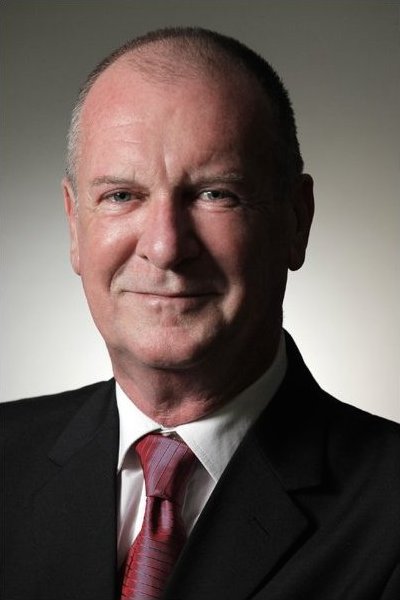
One of Australia’s foremost commentators on faith and sexuality, Anthony Venn-Brown OAM is the author of the best-selling autobiography A Life of Unlearning, which details his journey from being one of the first in the world to experience religious gay conversion therapy, to becoming a married, high-profile preacher in Australia’s growing megachurches (including the precursor to Hillsong), to living as an openly gay man. Founder and CEO of Ambassadors & Bridge Builders International, where he publishes a newsletter, he was awarded the Order of Australia Medal (OAM) for service to the LGBTIQ community.