
Part 2 of 3
I didn’t grow up hearing lots of different views about sexuality. I grew up hearing one.
It was presented as settled. Clear. Biblical. Not something you explored, but something you accepted — and certainly not something you questioned.
Over time, I learned the key passages by heart. Creation. Sodom. Judges. Paul. They were offered like links in a chain, each one reinforcing the next, until the conclusion felt inevitable. And once that conclusion was reached, it didn’t just shape belief — it shaped belonging. The verses were seemingly untouchable.
For a long time, I lived in acceptance, suppressing everything. It was simply what the Bible taught. I thought I must be the problem.
For years I had heard phrases like “the Bible is God’s Word,” “the Bible is the final authority,” “we are standing for the truth.” But no one had ever explained that interpretation is not the same as the Bible itself.
When I finally found the courage to look more closely, the chain didn’t hold the way I’d been told it would. And underneath it all, one question kept rising:
Why did something I felt so naturally seem so wrong?
The first argument I was given was always creation.
“God made Adam and Eve,” I was told. “Man and woman. That’s the pattern.”
For years, I nodded along. It sounded straightforward. Sensible, even. But the more time I spent with the text, the more I realised it was answering one question — not every question we were asking of it.
Yes, God created a man and a woman. That story tells us something beautiful about beginnings, about humanity coming into being, about life and fruitfulness. But it doesn’t claim to map every form of companionship God will ever bless. A beginning is not the same as a boundary.
Sodom and Gomorrah is a story used so often — a clear, decisive condemnation.
Except when I finally sat with the text itself, what I found there wasn’t mutual love at all. It was violence. Threats. An attempted gang rape. A city so distorted that vulnerable people weren’t safe in the street.
The damage is devastating. Lot’s daughters, who are raped, are barely acknowledged. The horror is almost brushed aside.
Elsewhere in the Bible, Sodom’s sin is described as arrogance, injustice, and neglect of the poor. Whatever that story is doing, it isn’t carefully outlining God’s thoughts on faithful, committed same‑sex relationships.
The passage in Judges is used in much the same way. Another story. Another warning. Another “proof.” But again, the reality of the text is brutal. A woman is abused to death. The chapter is soaked in chaos and violence.
To use that as a reference point for loving relationships felt deeply wrong — not just theologically, but humanly.
What those stories expose isn’t same‑sex relationships. It’s what happens when power goes unchecked and people are treated as disposable.
The apostle Paul — his words often treated as the final word, timeless, uncomplicated, beyond question. But Paul was writing into a Roman world where sexuality was tangled up with status, domination, excess, and exploitation. What was normalised in that culture looked nothing like mutual, faithful devotion.
The more I learned, the clearer it became. When Paul warns against lust and disordered desire, he’s addressing harm. Abuse. Excess. Power used badly.
Not tenderness. Not two people choosing lifelong faithfulness.
That distinction matters.
People work hard to explain why we no longer stone someone for the sin of adultery, or stone children for disobeying parents. Why we no longer follow purity codes and ritual cleansing — because we understand that Jesus fulfilled the law.
Yet these few texts are often denied the same careful reading. It turns the Bible into a weapon. It reduces people to a single issue, and for many of us, this hasn’t been an abstract debate — it’s been a lived weight.
Shame where there should have been dignity. Guilt where there should have been joy. Fear where there should have been safety.
Families fractured. Faith silenced. People taught — persistently — that something essential about them, their sexuality, must be denied to be loved by God.
Often the language sounds caring.
“We love you, but…” “This is said in love…”
And yet the message underneath stays the same.
That’s why I’ve taken the time to name some of the arguments — not to score points, and not because I enjoy disagreement, but because ideas have fruit. And when the fruit is shame, despair, and self‑erasure, it’s worth stopping to ask whether the tree is healthy.
I read many online articles, many different interpretations of the biblical passages, many viewpoints and reflections. I have just skimmed the surface in this article; there is a lot more that could be said. Stepping outside of the box was so scary — but I’m so glad I did.
This isn’t the end of my story. Next I’ll share how everything changed — and how fear finally gave way to the freedom I once thought impossible.
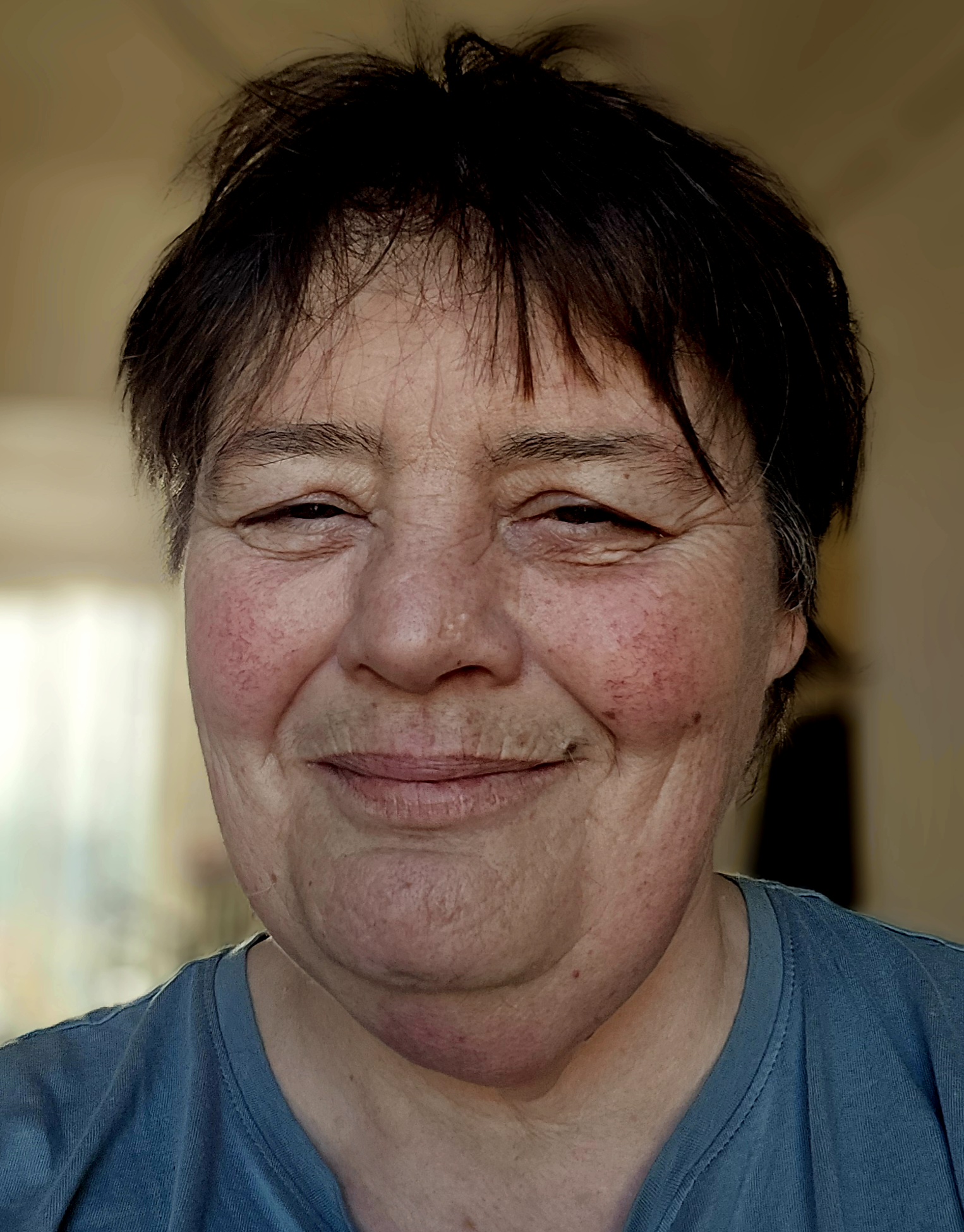
Living in France with her wife, Caroline, Liz Queyrel writes about faith, identity, hope, finding freedom after fear, and the resilience of LGBTQ+ Christians.