
What I didn’t understand about lesbians
When I first came out in the ’90s, gay male spaces entirely shaped my world. I was a serious party boy at nightclubs and dance parties. That’s where I found connection and a sense of belonging. But I often wondered, where were the lesbians, weren’t we all homosexuals?
When my autobiography, A Life of Unlearning came out in 2004, along with the many emails from gay guys, I also received some from lesbians who had been harmed by ignorance and homophobia in church settings. Their stories were often deeply painful and largely unseen:
I thought my life was complete. I had a nice home, a partner, children, stability… it felt like heaven. But deep down, I believed I would have to pay for it by going to hell. (Joy, 49)
I was told that if I didn’t change, I would lose everything: my family, my church, my future. I lived in constant fear of being exposed, of being rejected by everyone I loved. (Carol, 29)
When we later started Freedom2b in 2005, the pattern continued. Everyone who walked through the door was male. It puzzled me. I’d come from church life where women were always present (although rarely behind the pulpit), consistently there, brothers and sisters. We missed our sisters. So where were the lesbians? Why weren’t they showing up?
Through asking questions and listening, I could see I was carrying unconscious biases as a cisgender man. Previously, I hadn’t understood how different the experience of visibility, safety, and community could be for lesbians, or how male-dominated spaces, even unintentionally, can feel uninviting.
I’ll never forget the moment our first lesbian couple walked through the door at one of our Sydney chapter meetings. I was thrilled. Genuinely thrilled. In fact… I may have been just a little too enthusiastic and public in my welcome.
Over time, through listening and relationships, lesbians taught me about visibility, about exclusion even within our own communities, and about the different ways people navigate identity, relationships, safety, and belonging.
Every time a lesbian contacted me, I encouraged them to become a part of our online community. Lesbians were very active in that space and significant contributors. It was a place where they could remain anonymous behind a username and feel safe, even though they were speaking publicly about their life journeys.
Married 50 but only just realised I’m lesbian/bi (sweet child of God)
And when I eventually stepped down from Freedom2b, it was handed over to Michelle and Linda, who did an extraordinary job leading it for the next eight years. They also ran the Melbourne chapter, which grew to become the largest.
Lesbian Visibility Week matters
The church made me feel very unwelcome and stripped me of any sense of belonging. I was left feeling isolated, ashamed, and questioning everything about who I was. (Dianne, 25)
It’s a reminder that even within our own communities, visibility isn’t equal. Some voices are amplified — others are overlooked. And sometimes, that invisibility isn’t intentional; it’s shaped by culture, by history and yes, by unconscious bias.
Visibility changes that.
When lesbian stories are seen and heard — in media, leadership, faith communities, and everyday life — it challenges stereotypes and corrects assumptions. It makes space for truth. And it reminds us that inclusion isn’t just about who is welcome, but who actually feels safe enough to show up.
For many lesbian women, particularly those from faith backgrounds, visibility has come at a cost. The impact of rejection, silence, and exclusion is real. That’s why creating spaces where people are not just included, but understood, is so important.
I prayed every day for God to take it away. When nothing changed, I thought the problem must be me, that I wasn’t faithful enough, not good enough, not worthy. (Deborah, 35)
Lesbian Visibility Week is also a time to honour those who have gone before — the ones who spoke up when it wasn’t safe, who built community when there was none, and who made it easier for others to live openly today.
At its heart, this week is an invitation. To listen more carefully. To notice who might be missing. To ensure that our communities, whether social, professional, or faith-based, don’t just say “everyone is welcome,” but actually practice it.
Because visibility isn’t just about being seen.
It’s about being understood, respected, and valued.
We are a community. We are family.
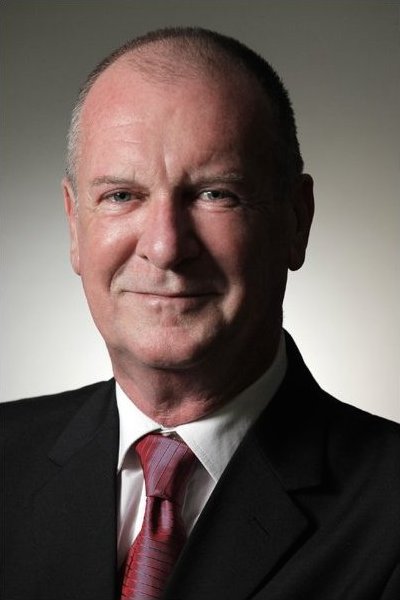
One of Australia’s foremost commentators on faith and sexuality, Anthony Venn-Brown OAM is the author of the best-selling autobiography A Life of Unlearning, which details his journey from being one of the first in the world to experience religious gay conversion therapy, to becoming a married, high-profile preacher in Australia’s growing megachurches (including the precursor to Hillsong), to living as an openly gay man. Founder and CEO of Ambassadors & Bridge Builders International, where he publishes a newsletter, he was awarded the Order of Australia Medal (OAM) for service to the LGBTIQ community.