
A community built on gentleness
Some communities begin quietly, almost unnoticed, and yet end up becoming lifelines. Sibyls — a voluntary U.K. group for Christian transgender, nonbinary and intersex people, along with partners and allies — is one of those communities. It doesn’t make headlines. It doesn’t shout. It simply holds space. And for many trans Christians in the United Kingdom, that space has been the difference between isolation and belonging.
At a time when public conversations about gender are loud, polarised, and often cruel, this network offers something radically different: Gentleness. On their website, they describe themselves as offering companionship along the journey, grounded in the two great commandments of Jesus — to love God, and to love each other as ourselves.
They try to live this out through four simple commitments: Living faithfully, spiritual upholding, fellowship and listening. None of these are abstract ideas. They are practical, everyday acts of care: Accepting yourself as you worship, praying together, sharing stories, and listening without judgement.
For many trans Christians, faith and gender identity have been placed in conflict by the churches around them. Some have been told they cannot serve. Others have been asked to hide. Many have been made to feel that their very existence is incompatible with the God they love.
The Sibyls community understands that pain intimately. They don’t ask anyone to fit a particular theological mould. They don’t divide people into categories or “types” of transgender experience. They simply say: If you are struggling to reconcile your faith and your gender identity, you belong here.
That welcome matters. It matters to the person who sits in church every Sunday, quietly terrified of being found out. It matters to the person who has stopped attending altogether because they no longer feel safe. It matters to the person who found that understanding their gender identity brought them closer to God, but who has never been able to say that aloud.
This group recognises all these stories. They honour them. And they offer a place where those stories can be spoken without fear.
The ministry of simply being heard
One of the most powerful things they provide is a safe space — both online and in person. They organise occasional in-person gatherings in friendly, welcoming locations, but they also run online services and informal chat sessions so people from across the U.K. can join. For trans people who may feel unsafe traveling, or who live far from affirming churches, these online spaces are a lifeline. They allow people to worship as themselves, without having to hide or explain.
They also produce a regular newsletter filled with personal stories, updates and reflections on transgender life in society. It’s not just information — it’s connection. It reminds members that they are part of something bigger than their own struggle, part of a community that sees them and values them.
Another key part of their work is the Listening Service. Sometimes, what a person needs most is simply someone who understands — someone who knows what it is to be trans and Christian, someone who won’t be shocked or confused or dismissive. The service offers confidential conversations for exactly those moments. It’s not counseling. It’s companionship. It’s the kind of listening that says: You are not alone.
Behind the scenes, the group is run by a small committee of volunteers from different Christian traditions — Anglican, Catholic, United Reformed and others. Their diversity reflects the reality of the community they serve — trans Christians come from every denomination, and from none. Some are lifelong churchgoers. Some are returning after years away. Some are still searching for a spiritual home. The aim is not to shape anyone’s faith, but to create space for people to find their own way with God.
A different kind of Christian witness
What makes this work especially important right now is the wider context. Trans people in the U.K. are facing increasing hostility — in politics, in the media, and sometimes in churches. Public debates often treat trans lives as problems to be solved rather than people to be loved. In that climate, a group like this becomes more than a support network. It becomes a sanctuary.
It also becomes a witness. Their quiet presence challenges the idea that Christianity and trans identity are incompatible. Their very existence tells a different story — one where faith deepens, not diminishes, when people are allowed to live truthfully. One where God’s love is not limited by gender. One where community is built on compassion rather than conformity.
They also support advocacy work with churches and faith groups on behalf of trans people. They help communities understand what it means to welcome trans members fully and respectfully. They signpost resources, offer guidance, and encourage churches to move beyond fear toward genuine inclusion.
It’s slow work, often quiet work, but it matters. It changes hearts. It opens doors. It makes space for trans people to be seen as whole, beloved children of God.
And yet, the network stays humble. They describe themselves as a community, not an institution. They rely on volunteers. They depend on members to help organise events. Their financial turnover is too small to register as a charity, but they run with a constitution that ensures accountability and care. They are not a large organisation with big budgets. They are a community built on trust, confidentiality, and shared experience.
In a world that often misunderstands or misrepresents trans lives, this group offers something profoundly countercultural: A place where trans people are not debated, but cherished. A place where faith is not used as a weapon, but as a source of strength. A place where people can bring their whole selves — their questions, their fears, their joy, their identity — and know they will be met with kindness.
The story of this community is a reminder of what Christian fellowship can be at its best: Spacious, gentle, and rooted in love. It shows that faith and gender identity do not have to be in conflict. It shows that trans people are not outsiders to the story of God — they are part of it, fully and beautifully.
And it shows that sometimes the most powerful ministry is not loud or dramatic. Sometimes it is simply the quiet, steady work of holding each other in the light.
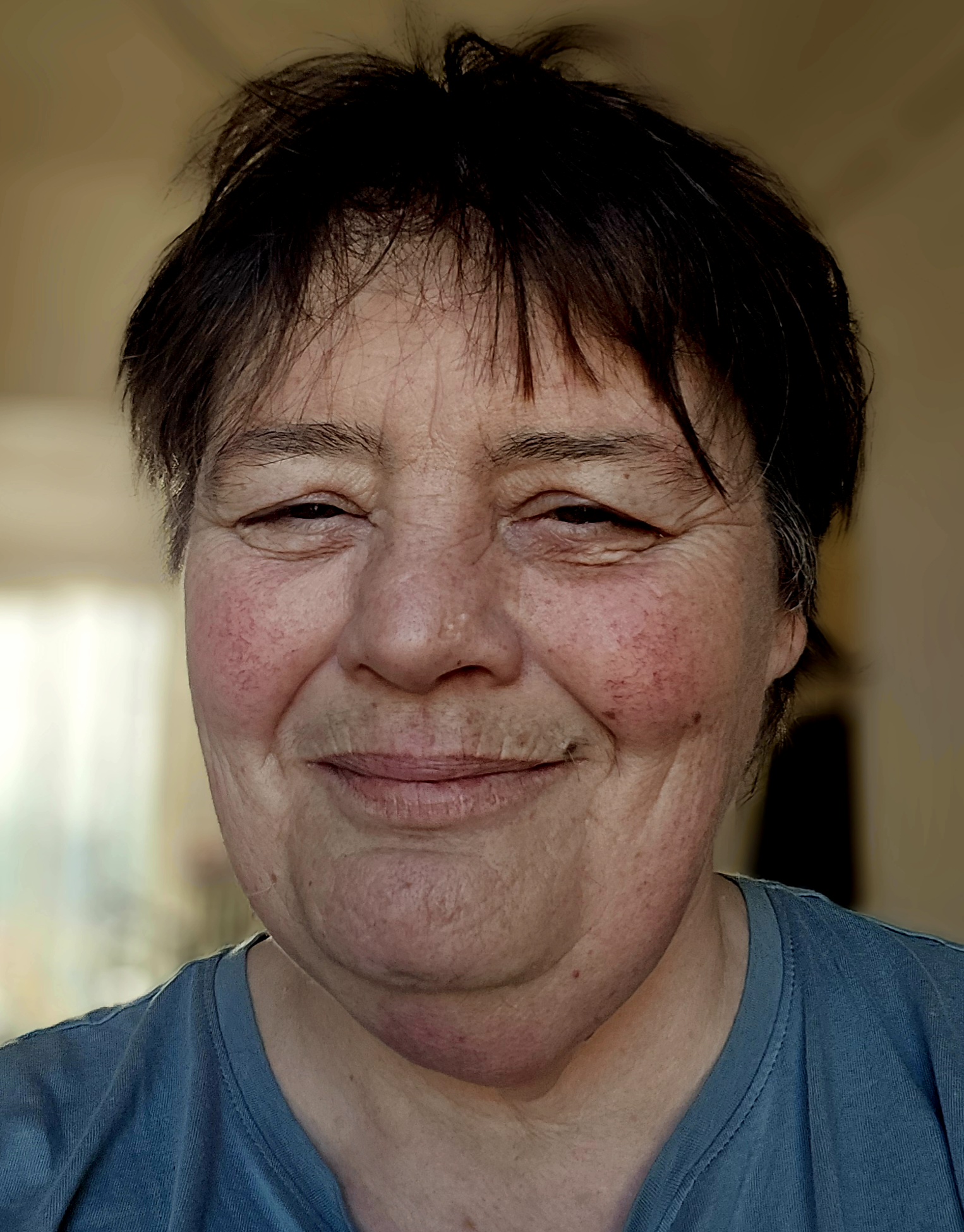
Based in France, Liz Queyrel reports on LGBTQ+ Christian life across France and greater Europe.